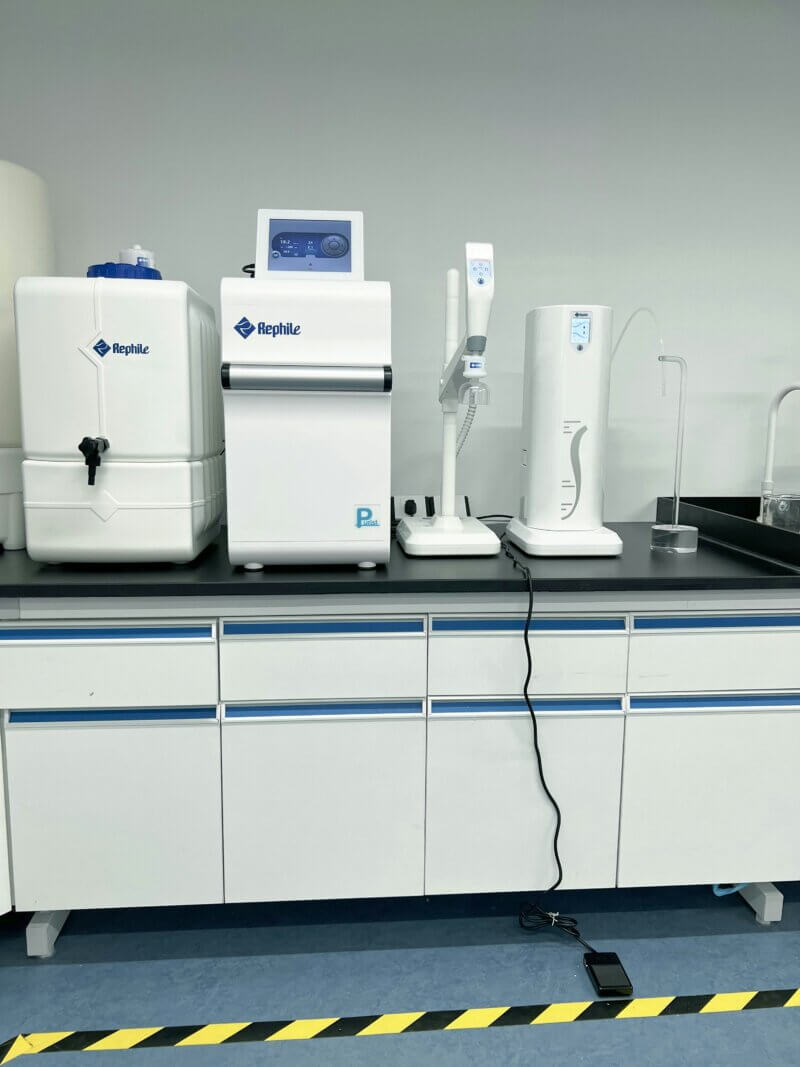
A sensor with wrong calibration data delivers wrong measurements. A measuring device that doesn’t know when it was last calibrated jeopardizes quality assurance. That’s why measurement equipment manufacturers integrate RFID into their products.
-

Calibration on the Sensor
Calibration curve, last calibration date and serial number stored on the tag. -
Single-Use Consumables
A mouthpiece is recognized as unused and marked after the test. -

Reject Counterfeits
Original parts are authenticated, counterfeits detected.
Calibration Data on Paper
Measuring instruments work with sensors, test equipment, and consumables. A pH meter needs the right electrode with current calibration values. A breathalyzer needs certified mouthpieces.
Currently, calibration data is documented on paper or maintained in databases. It works – as long as someone maintains the data and the assignments are correct. But papers get lost, databases aren’t updated, and the sensor from the neighboring device looks exactly the same.
Calibration Data Stored on the Sensor
An RFID tag on the sensor stores its calibration data directly. The measuring device reads the tag, instantly knows the calibration curve, the date of last calibration, the serial number. No mix-ups, no outdated data.
After recalibration, the device writes the new data to the tag. The sensor carries its complete history with it – regardless of which device it’s connected to.
This works for consumables too: A breathalyzer recognizes the disposable mouthpiece and knows it’s unused. After the test, the tag is marked – reuse excluded.
Measurement Accuracy and Traceability
Measurement accuracy is the main reason. Wrong calibration data means wrong measurements. When the sensor brings its own data, an entire error source is eliminated.
Compliance is the second reason. ISO standards, GLP guidelines, industry-specific regulations – all require proof of calibration and traceability. With RFID, the system documents itself.
For consumables, the economic aspect comes into play: Original parts are authenticated, counterfeits detected. This protects not just the business, but also measurement quality.
Application Examples
For geotechnical sensors, the tag stores installation position and calibration history. Even after years in the ground, you still know which sensor it is and how it was calibrated.
For laboratory instruments, RFID identifies the measurement electrode and automatically loads the matching parameters. Plug-and-play instead of searching through manuals.
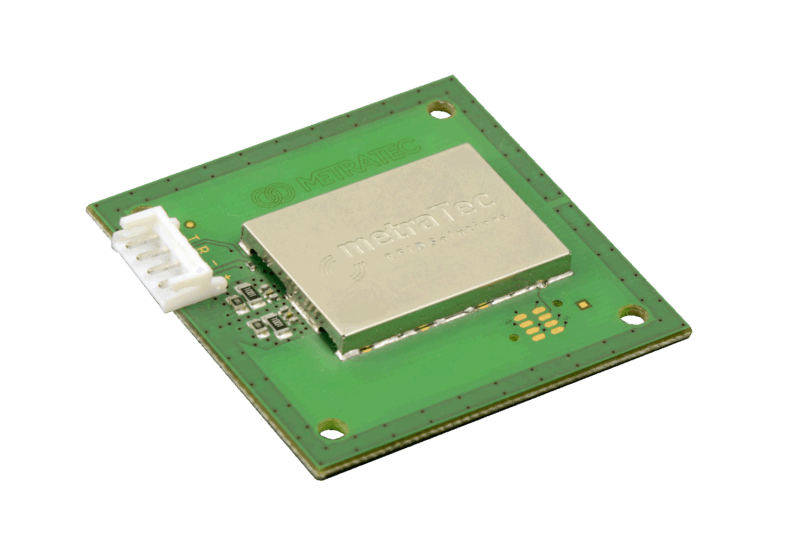
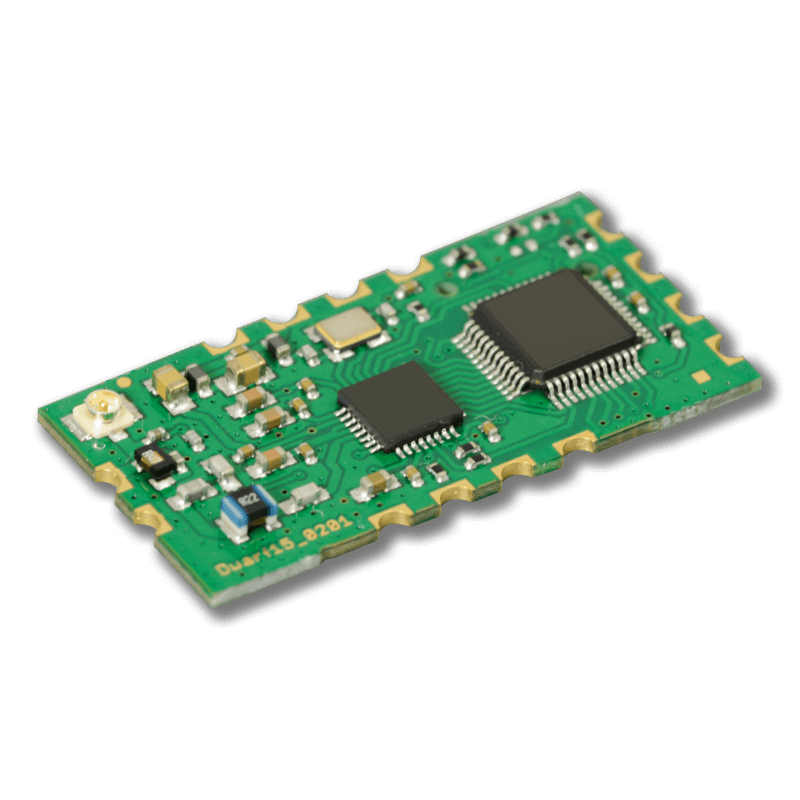
RFID Modules for Measurement Equipment
View All RFID OEM Modules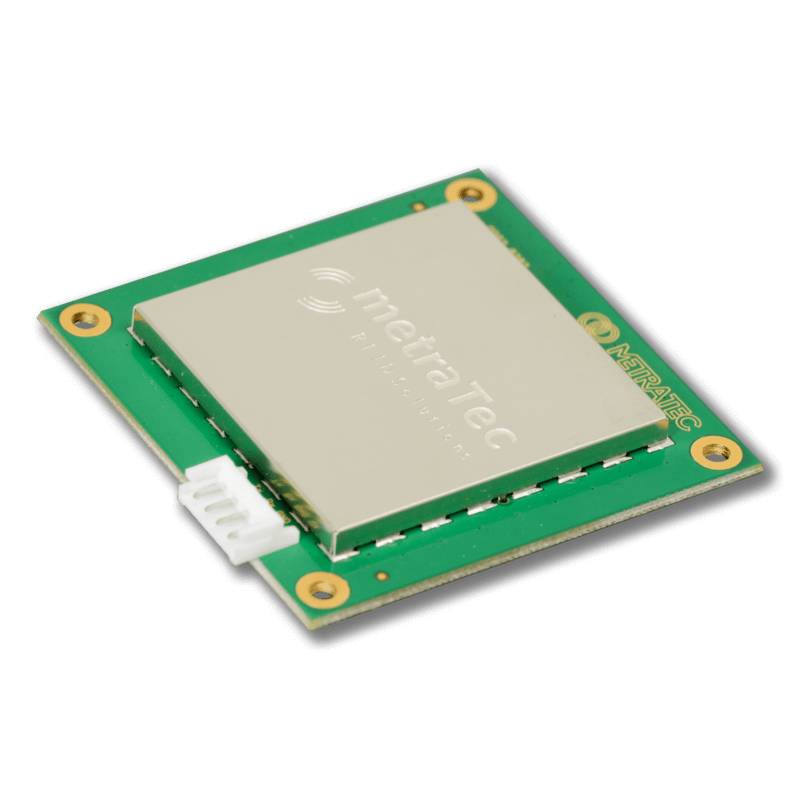
Developing Measuring Instruments or Sensors?
Talk to us about RFID integration.