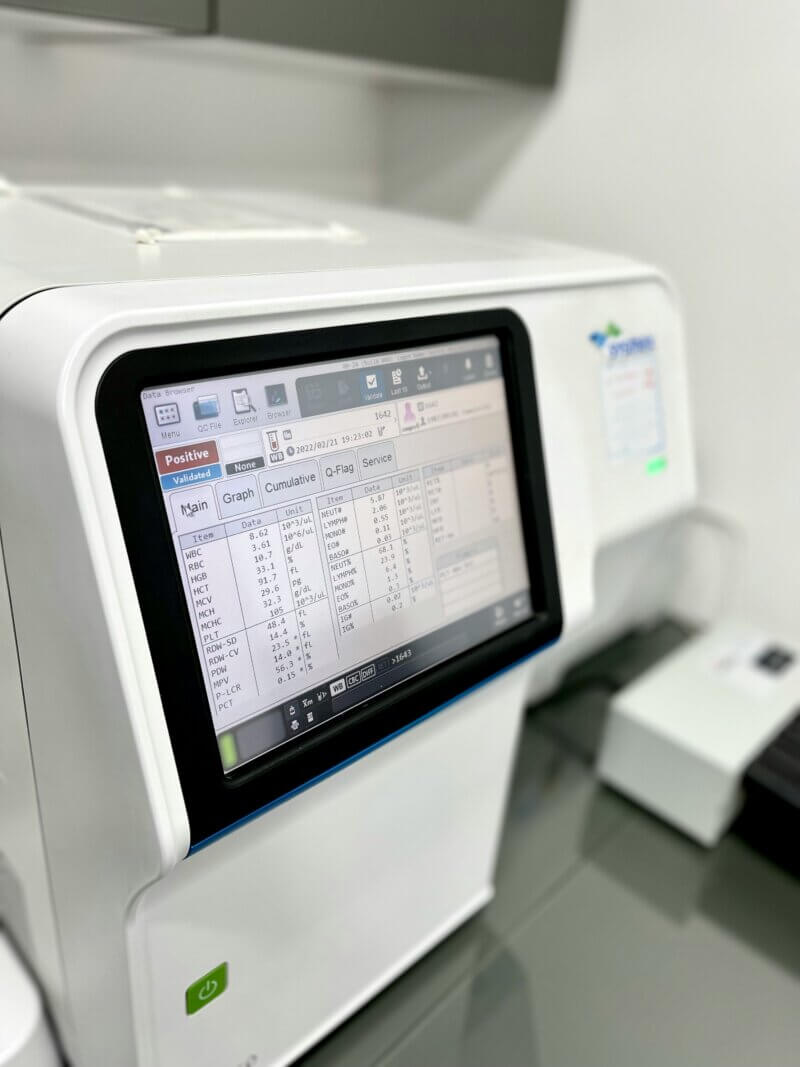
An analyzer that accepts the wrong reagent delivers wrong results. In a clinical lab, that can distort diagnoses. In a pharmaceutical company, it can ruin an entire batch. That’s why laboratory equipment manufacturers are increasingly adopting RFID.
-

Recognize Reagents
Product type, lot number, expiration date and calibration parameters read on insertion. -

Track Consumption
Consumed quantity and opening date written back to the tag. -

Authenticate Users
Badge plus PIN as the two identification components for FDA 21 CFR Part 11 signatures.
Manual Lot Entry in the Lab
Laboratory instruments depend on specific reagents and consumables. A plate reader needs matching assay kits, an analyzer needs the right buffers and calibrators. Every batch has different characteristics, every product has an expiration date.
Currently, lab technicians type lot numbers manually or scan barcodes. It works – most of the time. But it costs time, causes errors, and barely keeps up with increasing documentation requirements. For FDA-regulated labs, the burden of proof becomes an administrative nightmare.
Automatic Reagent Recognition
RFID modules in the instrument recognize reagents automatically. As soon as a reagent container is inserted, the device reads all relevant data: product type, lot number, expiration date, specific calibration parameters. No entry, no scanning, no mix-ups.
The device can also write back: How much reagent was consumed? When was the container opened? This enables true first-in-first-out and prevents forgotten opened reagents.
RFID works for user authentication too: The technician holds their badge to the device, and the system automatically documents who performed which analysis. For an electronic signature under FDA 21 CFR Part 11, the badge replaces typing the user ID. Part 11 requires at least two distinct identification components, so the technician confirms with a PIN or password.
Quality Assurance and Original Reagents
Quality assurance is the main reason. Wrong reagents mean wrong results, and wrong results mean recalls, liability issues, reputation damage. RFID eliminates an entire class of errors.
The second reason is economic: Reagents are the business model of many laboratory equipment manufacturers. The instrument is sold at slim margins, profit comes from consumables. If the device only accepts original reagents, it protects this business model.
RFID Modules for Laboratory Equipment
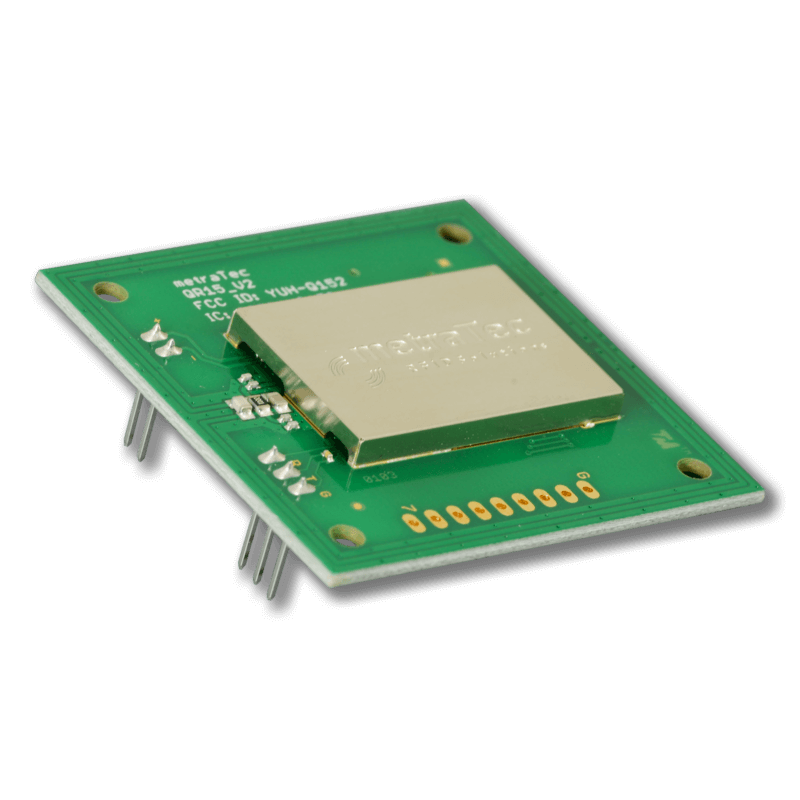 QR15 HF RFID Plugin ModuleCompact enough for benchtop instruments, reads single tags or full sample racks
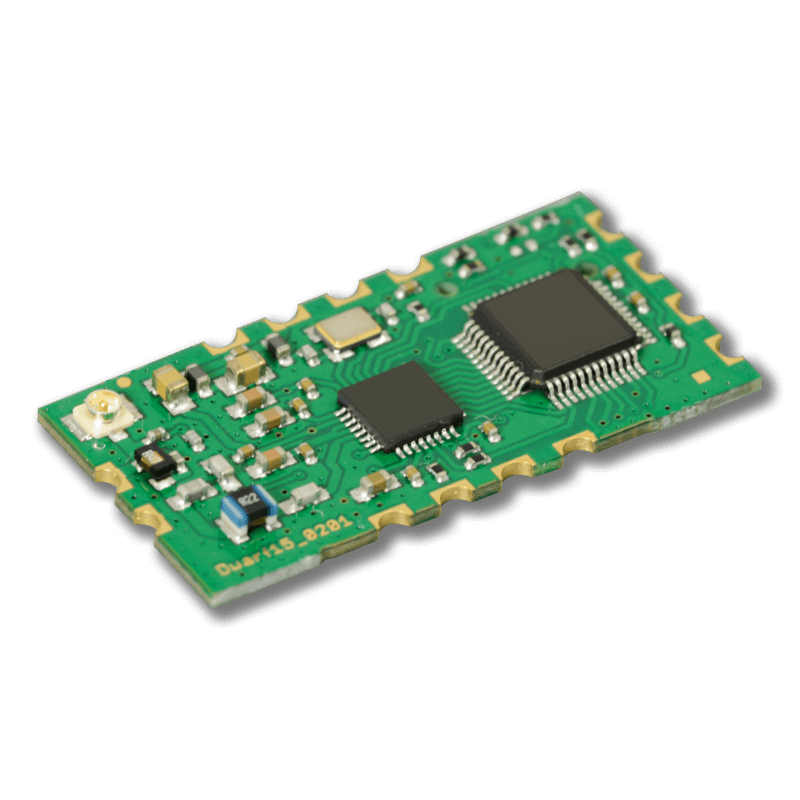 Dwarf15 RFID HF SMD ModuleSolders onto your own instrument PCB, for handheld and small devices
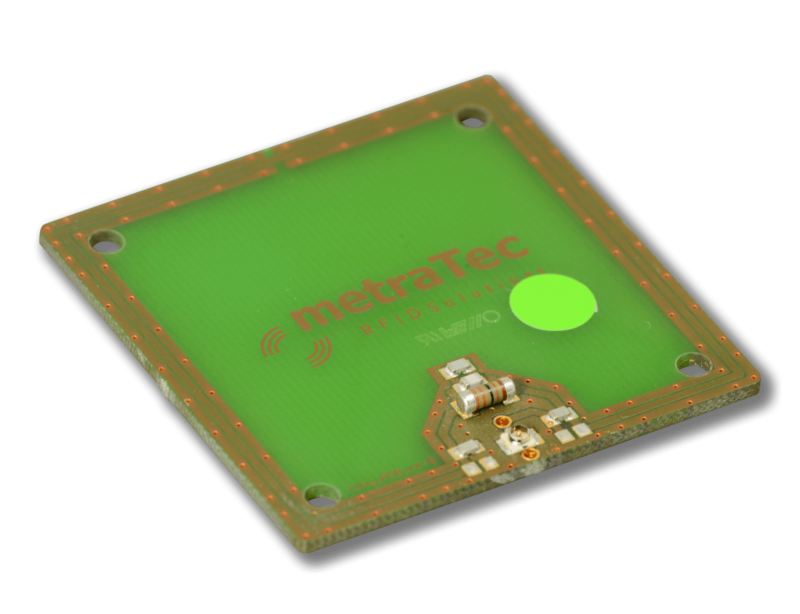 TinyPCB OEM RFID AntennaSmall antenna for reagent slots and sample positions
Developing Laboratory Instruments?
We’re happy to advise on the technical implementation of RFID.