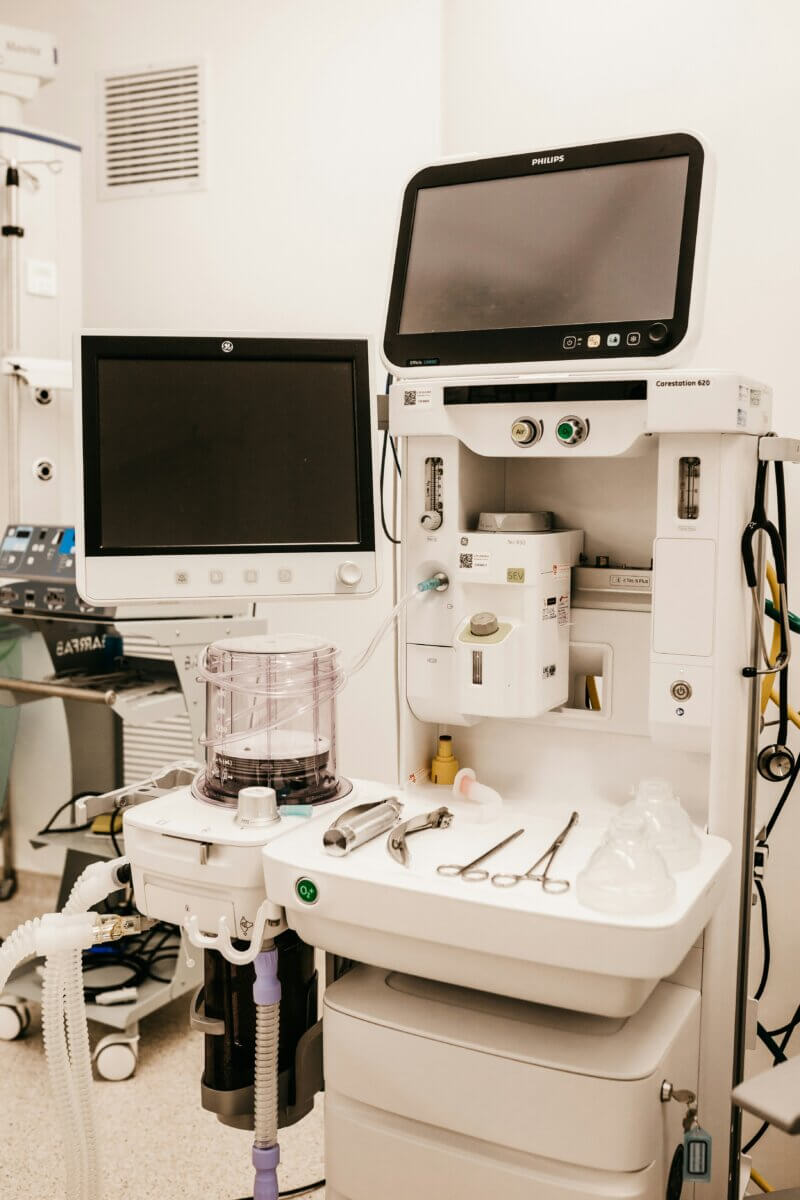
When a dialysis machine accepts the wrong filter, or an infusion pump fails to detect a counterfeit medication set, patient safety is at stake. That’s why more and more medical device manufacturers are integrating RFID directly into their equipment.
-

Recognize Consumables
Identified as soon as they are inserted. No line of sight, no manual entry. -

Verify Authenticity
The device only accepts original parts and rejects counterfeits. -

Track Usage Time
Usage time is stored on the tag. The device warns when replacement is due.
Why Barcodes Fall Short for Consumables
Medical devices rely on consumables: infusion bags, dialysis filters, breathing circuits, contrast media cartridges. Each use requires the right material – in the correct configuration, within its expiration date, from an authorized manufacturer.
Traditionally, manufacturers solve this with barcodes or manual entry. Both are error-prone: barcodes get dirty or damaged, manual entry takes time and leads to typos. And neither helps much against counterfeit products.
Automatic Consumable Recognition and Authentication
An RFID module in the device automatically recognizes consumables as soon as they’re inserted. No line of sight needed, no manual entry. The device instantly knows: What product is this? Is it genuine? Is it still valid? Does it match the current configuration?
For dialysis machines, this means: The filter is recognized, its usage time is stored on the tag, and the device warns when replacement is due. For infusion pumps: The medication set is identified, and the pump automatically configures itself to the correct parameters.
Patient Safety and Counterfeit Protection
The obvious reason is patient safety – and the documentation that comes with it. The RFID module records which consumable was used, with lot number and expiration date, without manual entry. That gives the device the data for complete usage documentation and traceability.
The less obvious reason: aftermarket business. Consumables are often more profitable than the device itself. If the device only accepts original parts, it protects against cheap knockoffs and secures long-term revenue.
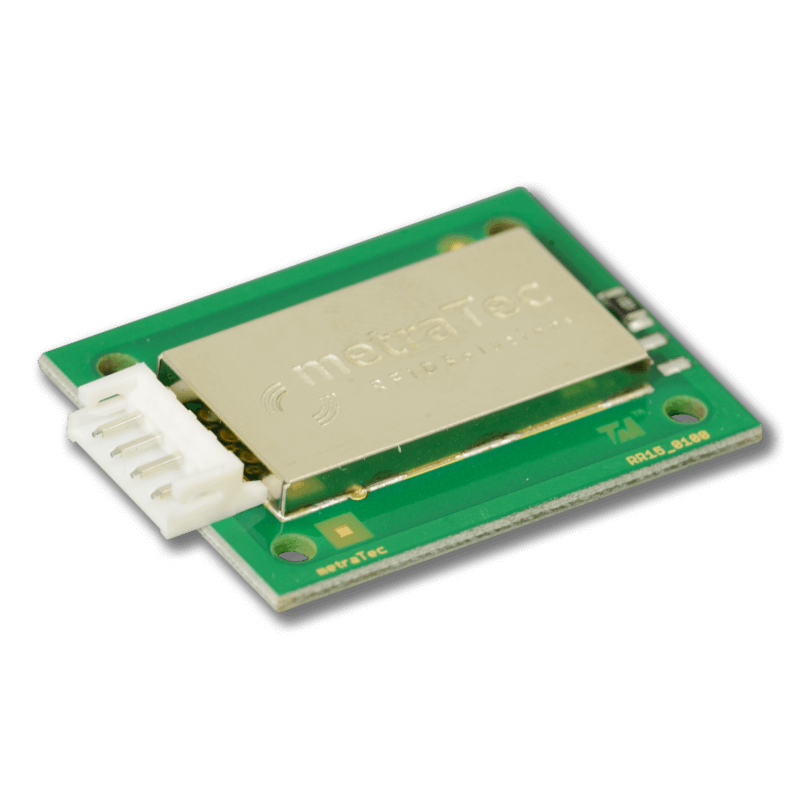
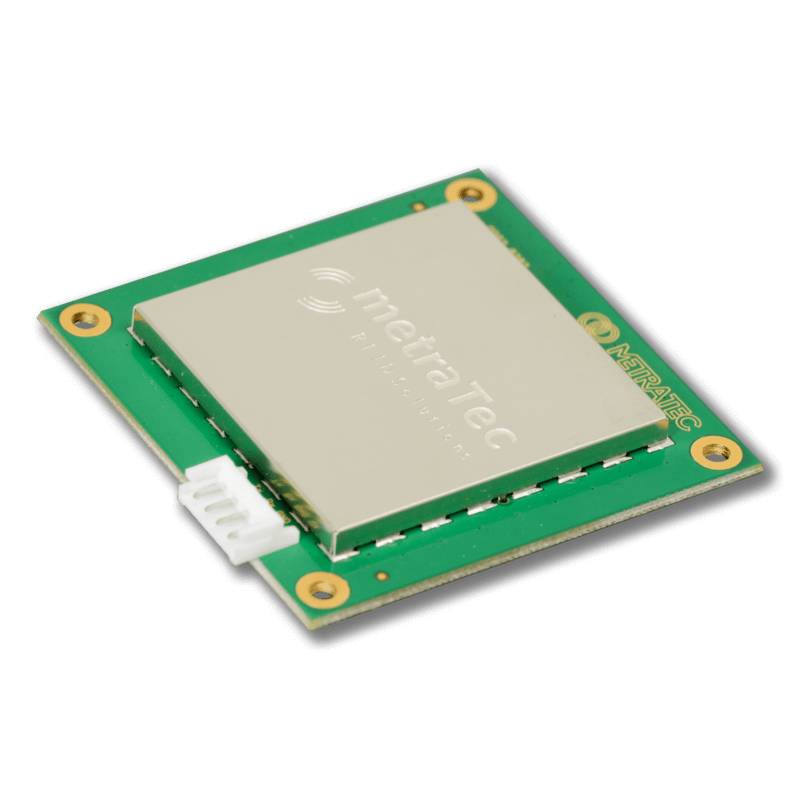
RFID Modules for Medical Devices
View All RFID OEM Modules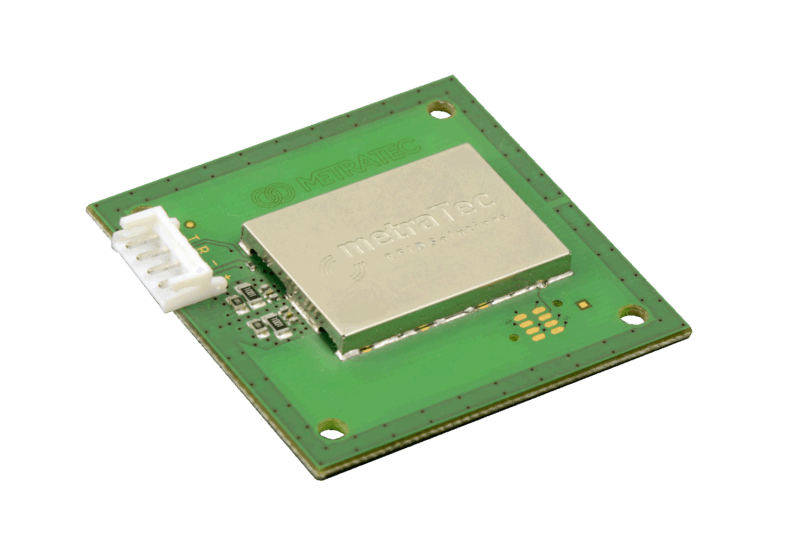
Developing a Medical Device?
Talk to our engineering team about consumable recognition and integration.